≡ Menu

MORNING RADIO TEAM: WHO’S THE BOSS?

radio morning show

A Loyal Reader Writes:

“I have a new morning co-host who’s been in radio for a very short period of time and is new to morning ‘team’ radio. My role in the station is morning announcer. I go through airchecks with my new co-host and offer advice, from the simplest radio ideas to defining our characters on-air.

“After less than a month, my co-host apparently knows how morning radio works and has very strong views on how things should be done. At times this team member will simply ‘not like an idea” without reason — although it has worked very well elsewhere.

“Strangely enough, I think we have a great show, mainly because we have such strong characters… which is probably the crux of our problem.

“A few years ago I thought I knew everything about morning radio. Fortunately for me I realized I will always be learning, that I don’t know everything, and that ‘maybe there is a better way.’

“How can I get my new team member to accept that some other experienced radio people may actually have some good ideas, too?

Radio programs that feature two partners who are completely equal need to establish their own systems for deciding what to do when the two partners disagree.

Here’s the system used by one very successful comedy writing team I know: When they disagree about whether or not something is funny, they scream at each other until one of them gives in.

Another very successful comedy writing team I know uses a much simpler system: If one of them thinks something is funny and the other doesn’t, they simply drop it and move onto something else they both like. “In the time it would take to fight over a joke,” they say, “we could come up with two more that we both like.”

Regardless of the make-up of your team, you need to have a system in place for determining what gets on the air and what gets left behind.

If I weren’t afraid it would like a blatant plug (which I guess it is), I’d also suggest that you order my Morning Show Ratings Explosion and listen to it together.

{ 1 comment }

EASY YET VALUABLE TIP FOR RADIO TEAM SHOWS

radio morning showsThis is so simple, yet so many on-air teams never think about it…and it hurts them.

When your team converses on-air, be sure to use each other’s names frequently.

Why?

• For shows featuring two male or two female voices, many of your listeners have a hard time knowing which is which.

Test this for yourself:  Have you ever had the experience of a friend, relative — maybe even your spouse — complimenting you for something they heard you do on-the-air…and you had to tell them, “That wasn’t me”?

If so….

If even people who know you sometimes have trouble distinguishing your voice on the radio, then imagine how difficult it is for people who don’t know you.

• Even for shows featuring just one male and one female, there always is someone who is hearing you for the very first time. Yes, they can tell “one’s a guy, the other’s a gal,” but they won’t know who you are unless you tell them.

When your listeners know exactly who every on-air character is, they become more relaxed and more involved in whatever is happening on your show.

What’s the best, easiest and most effective way to use each other’s names frequently? Get into the habit of starting sentences with the other person’s name:

“Bob, I hear you went to Atlantic City over the weekend…..”

“What about you, Bob? You have a nine-year old daughter. Would you let her….”

“Bob, did you catch the President’s speech on TV last night….?”

It will take you a week or two to get used to doing this. At first, it’ll feel odd, unnatural. But if you do it for two weeks, two things will happen:

1.  Not a single listener will call you up to ask, “Why do you guys keep using each other’s names like that??”

2.  It will become a habit, and you’ll no longer need to make a conscious effort to use each other’s names frequently and naturally.

In the long term, your listeners will feel more comfortable with your show because they’re always aware of who is speaking.

And your ratings will improve, because your listeners will always be aware of whom they’re listening to.

{ 1 comment }

GOODBYE TO THE RADIO PD GRAD SCHOOL

Hopefully this video says it all.


Yep, I forgot to mention at least three people:

Gerry Tabio, who spoke at least two different years.

And Vishen Lakhiani, one of the world’s most successful Internet marketers. In 2009 he flew from his home in Malaysia to Los Angeles to blow the room away at PD Grad School.

And — astonishingly — Mike McVay, who not only spoke at several PD Grad Schools but also always was incredibly supportive and a great friend.

I also had intended to mention Rob Sidney, who attended all 17 PD Grad Schools, as well as Neil Gallagher — who had kept apace of Rob until 2009, when he was unable to attend.

And there probably are others who got lost among the debris of my dying brain cells. FInalPDGradSchool-Thumbnail-160

{ 76 comments }

PLEASE CRITIQUE THIS RADIO COMMERCIAL FOR ME

I don’t even know where to begin.

This aired on a Los Angeles radio station owned by a very large company that tries to convince advertisers that their creative/production staffs truly know how to create commercials that work.

Please, see if you can help with a constructive critique.

{ 27 comments }

CLASSIC TV COMMERCIAL FOR KMPC RADIO LOS ANGELES

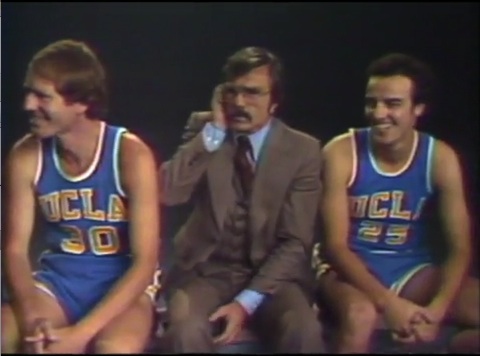
tv commercials for radio stationsGood, understated reaction from Gary Owens…

{ 3 comments }